Washington State is known for its lush landscapes, bustling cities, and vibrant history. But have you ever wondered why Olympia, a relatively small city compared to Seattle or Tacoma, became the capital? The story behind this decision is rooted in history, geography, and practicality. Let’s dive into the fascinating reasons why Olympia was chosen as the capital of Washington.
A Strategic Location: Geography Made It Ideal
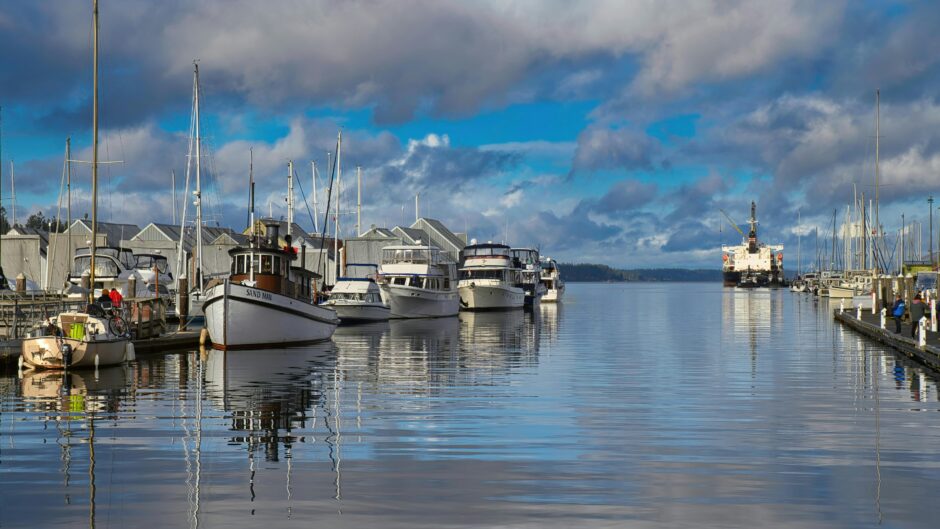
In 1853, when Washington was established as a territory, transportation was vastly different from what it is today. Railroads were scarce, cars didn’t exist, and traveling long distances by land was often dangerous. Settlers relied heavily on waterways for transportation and trade. Olympia’s location at the southern tip of Puget Sound made it an ideal port of entry for newcomers arriving by ship.
Being centrally located in the territory also played a significant role in its selection. At the time, capitals were often chosen based on accessibility to the majority of residents. Olympia’s position allowed it to serve as a hub for settlers traveling north from Portland and other areas along the Columbia River. This strategic location ensured that government officials and citizens could reach the capital more easily than other settlements.
A Thriving Settlement: Olympia Had Early Infrastructure
When Governor Isaac Stevens arrived in Washington Territory in 1853, he had a tough decision to make regarding where to establish the capital. At that time, Olympia was one of the largest settlements in the region, boasting around 100 residents—a significant number compared to other towns like Seattle or Tacoma.
Olympia already had essential infrastructure that made it stand out:
- A federal customs house for managing trade.
- A newspaper to disseminate information.
- Several stores, a hotel, and a stable.
These features demonstrated that Olympia was more developed than other potential locations. The town’s early establishment as a port of entry for Puget Sound further solidified its importance. With settlers relying on ships for travel and goods, having a customs house and port facilities made Olympia a logical choice for governance.
Historical Significance: The Decision Was Permanent
Governor Isaac Stevens officially proclaimed Olympia as Washington Territory’s capital on November 28, 18534. This decision wasn’t made lightly; Stevens consulted census data and leading citizens before finalizing his choice. He recognized that Olympia’s infrastructure and location made it the best option for serving the territory’s needs.
Even after Washington achieved statehood in 1889, Olympia remained the capital despite its smaller size compared to cities like Seattle. By then, much of the state’s administrative infrastructure had been established in Olympia, making it impractical to move the capital elsewhere.
Why Not Seattle or Tacoma?
You might wonder why larger cities like Seattle or Tacoma weren’t chosen instead. In 1853, Seattle was just a tiny settlement with fewer residents than Olympia. Tacoma wasn’t even on the radar as a contender at that time.
Olympia’s early advantages—its port facilities, customs house, and central location—gave it an edge over these cities. By the time Seattle grew into a major metropolis, Olympia had already cemented its role as the administrative heart of Washington State.
Olympia Today: A Capital with Character
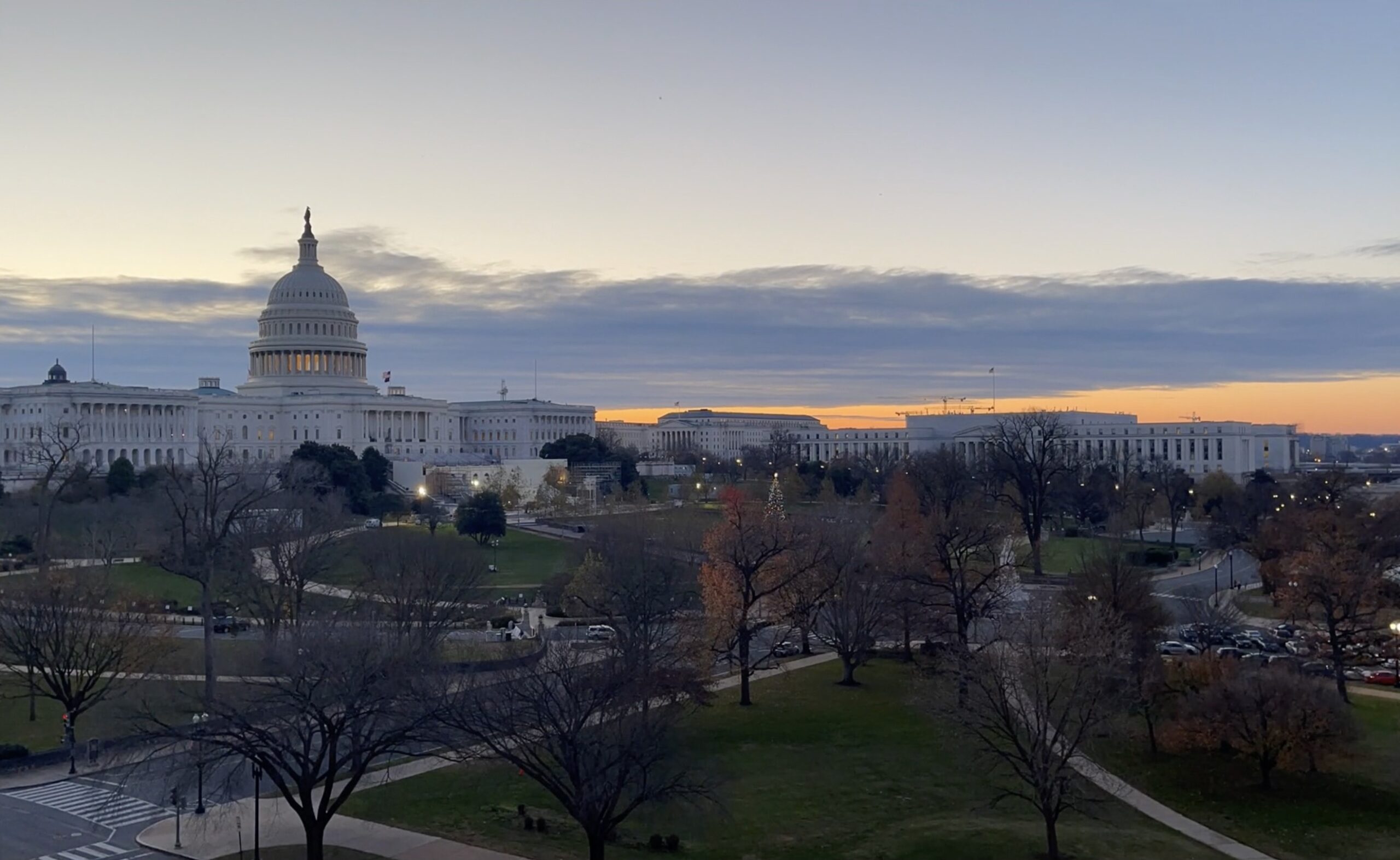
Today, Olympia remains an integral part of Washington State’s identity. While it may not be as populous or famous as Seattle, its historical significance is undeniable. The city continues to serve as the seat of government and boasts landmarks like the Washington State Capitol building with its impressive dome—the fourth-largest free-standing masonry dome in the world.
Olympia’s charm lies in its blend of history and modernity. From its roots as a Native American gathering place to its role as a bustling port town and finally as the state capital, Olympia has always been a city of importance.
A City Chosen for a Reason
Olympia was chosen as Washington’s capital because of its strategic location, early infrastructure development, and historical significance. Its position at Puget Sound’s southern tip made it accessible for settlers arriving by ship, while its thriving settlement provided essential services for governance. Governor Isaac Stevens’ decision in 1853 ensured that Olympia would remain central to Washington’s history.
So next time you visit this charming city or hear about it in conversation, you’ll know exactly why it holds such an important place in Washington State’s story!