Olympia, Washington, is a city rich in history and natural beauty. Nestled at the southern tip of Puget Sound, it serves as the state capital and boasts a name that reflects both its surroundings and the vision of its early settlers. But how did Olympia get its name, and why is it significant? Let’s dive into the story behind this iconic name.
The Origins of Olympia’s Name
The name “Olympia” was officially adopted in 1850, thanks to Colonel Isaac N. Ebey, a local resident who suggested it. Ebey drew inspiration from the nearby Olympic Mountains, which are visible to the northwest of the city. These majestic peaks reminded settlers of grandeur and natural beauty, making “Olympia” a fitting choice for a place surrounded by stunning landscapes.
Before settling on Olympia, the area went through several names. Early settlers Edmund Sylvester and Levi Lathrop Smith initially called it “Smithfield,” among other names like “Smither” or “Marshville.” However, none of these names resonated as strongly as Olympia, which captured the imagination of those living there.
The Olympic Mountains themselves were named after Mount Olympus in Greece, the legendary home of the Greek gods. This connection added an air of distinction and timelessness to Olympia’s name.
The Native American Connection
Long before European settlers arrived, the area now known as Olympia was home to the Steh-Chass people, part of the Coast Salish tribes. They referred to the region as “Cheetwoot,” meaning “Place of the Bear” in their Lushootseed language. This name likely referenced either the bear-shaped peninsula where downtown Olympia now sits or the presence of bears in the area.
The indigenous people lived in harmony with the land for thousands of years, utilizing its abundant resources like shellfish and salmon. Their history is deeply intertwined with Olympia’s identity, even though European settlement eventually displaced them.
Why Is Olympia’s Name Significant?
The significance of Olympia’s name lies in its ability to capture both natural beauty and cultural aspirations:
- A Tribute to Nature: The name reflects the city’s proximity to the Olympic Mountains, a defining feature of Washington’s landscape. These mountains symbolize strength and grandeur, qualities that early settlers admired.
- Cultural Connections: By naming their new settlement after such an iconic landmark, settlers created a sense of place that tied their community to something larger than themselves. The name also carried echoes of Greek mythology, lending an element of timelessness and prestige.
- Historical Legacy: Choosing “Olympia” marked a turning point in establishing a permanent identity for the growing town. It set the stage for Olympia’s role as Washington’s territorial capital in 1853 and later as its state capital when Washington achieved statehood in 1889.
A City Shaped by Its Name
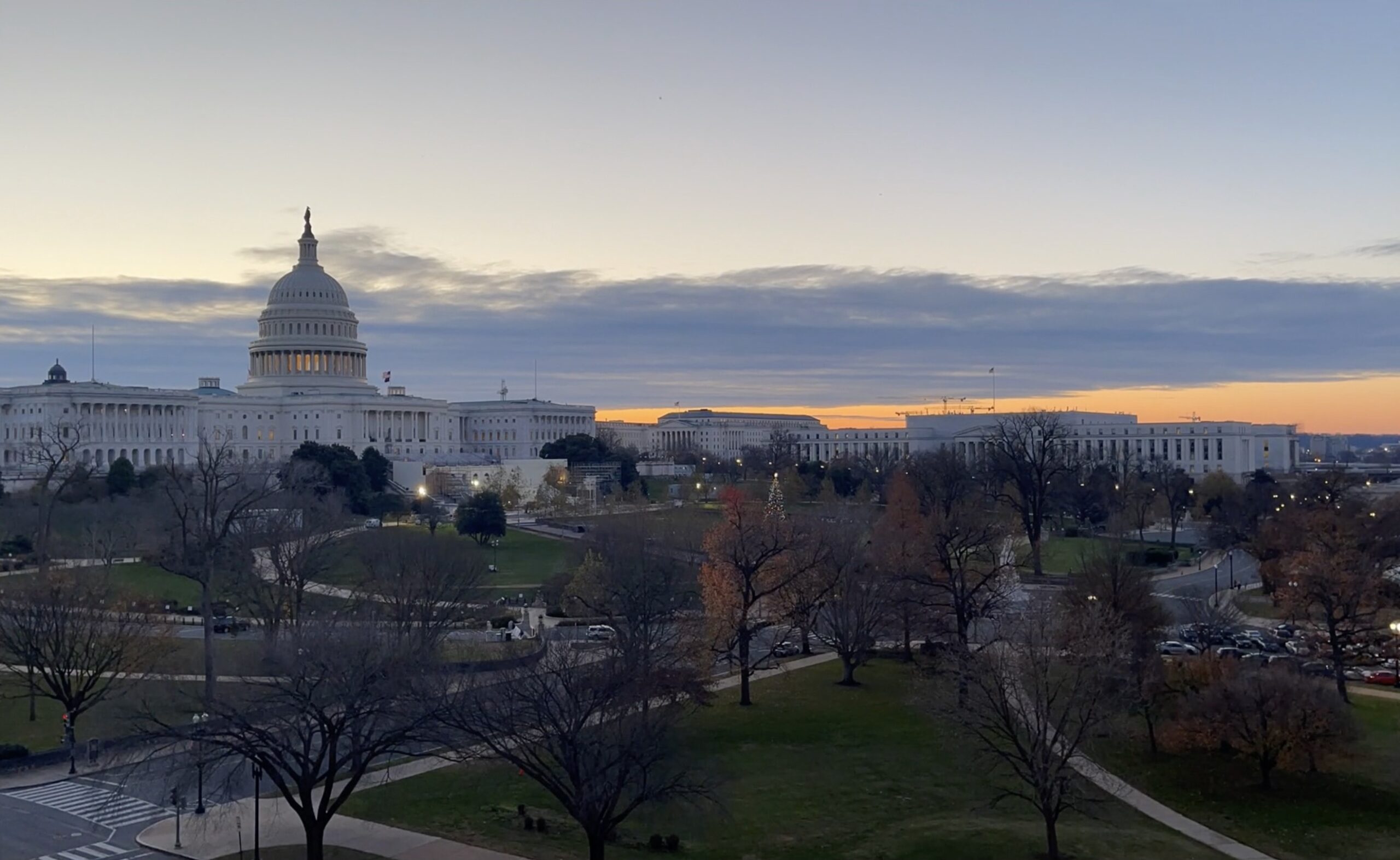
Olympia’s name has shaped its identity over time. As Washington’s capital city, it has become synonymous with governance and regional leadership. Yet it also remains a hub for art, culture, and environmental stewardship—a reflection of its scenic surroundings.
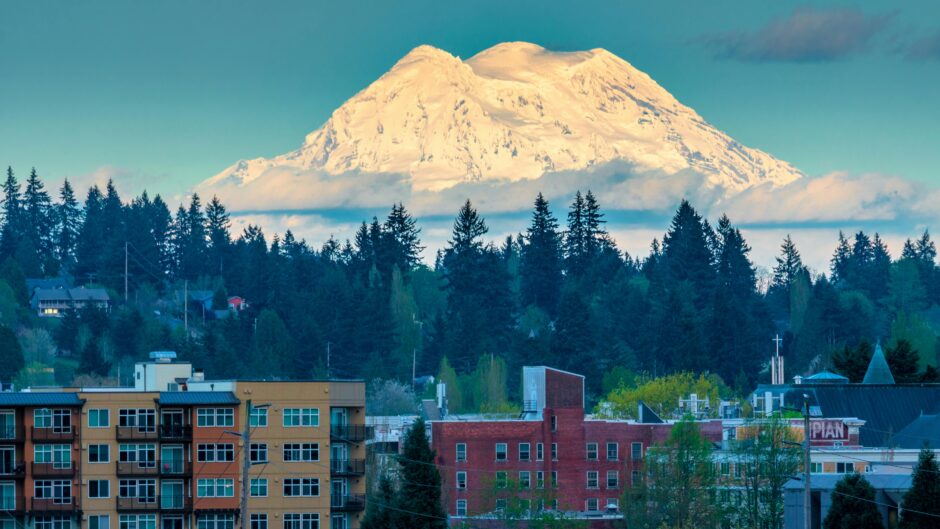
The city’s connection to nature is evident in its many parks and green spaces. From Capitol Lake to views of Mount Rainier and Puget Sound, Olympia continues to honor its namesake by preserving its natural beauty.
Moreover, Olympia’s rich history—from its Native American roots to its role as a trading post—adds layers of meaning to its name. It serves as a reminder that this land has been cherished by many different peoples over thousands of years.
A Name That Echoes Through Time
Olympia’s name is more than just a label; it’s a celebration of natural beauty, cultural heritage, and historical significance. Inspired by the nearby Olympic Mountains and chosen by early settlers like Colonel Isaac N. Ebey, it reflects both the grandeur of its surroundings and the aspirations of those who built it.
As you walk through Olympia today—whether enjoying views of Puget Sound or exploring its historic downtown—you can feel how deeply connected this city is to its name. It’s a place where history meets nature, creating a legacy that continues to inspire residents and visitors alike.