Jessie Boyd

What Are the Best Restaurants to Try in Olympia, Washington According to Locals?

Olympia, Washington, is a city where culinary creativity meets Pacific Northwest bounty. Whether you’re a visitor or a local, you’ll find a vibrant food scene that celebrates fresh seafood, global flavors, and cozy neighborhood gems. If you’re wondering where locals actually eat, this guide highlights the best restaurants in Olympia that consistently win rave reviews and loyal fans. Get ready to discover your next favorite meal!


Seafood Sensations and Waterfront Favorites

Budd Bay Cafe

If you want classic Northwest seafood with a view, Budd Bay Cafe is a must-visit. Locals love the fresh catches, from Dungeness crab cakes to wild salmon, all served in a bright, nautical-themed dining room overlooking the bay. The brunch buffet is legendary, and the service is always warm and welcoming. It’s a little pricier, but the quality and scenery are worth every penny.

Anthony’s Hearthfire Grill

For a special night out or a laid-back lunch with a view, Anthony’s Hearthfire Grill is a local favorite. Situated right on the waterfront, you can enjoy panoramic views while savoring expertly prepared steaks, seafood, and salads. The menu features local ingredients, and the chef’s specials change with the seasons. It’s a go-to spot for dates, family gatherings, or just a relaxing meal by the water.

Chelsea Farms Oyster Bar

Oysters are a Pacific Northwest staple, and Chelsea Farms Oyster Bar showcases them at their best. You can slurp down fresh, briny oysters or try creative seafood dishes like clam chowder and grilled fish. The modern, airy space is perfect for a casual lunch or a fun evening with friends. Don’t miss the craft cocktails and local ciders to round out your meal.

Olympia Oyster House

Steeped in history, Olympia Oyster House is another essential stop for seafood lovers. Locals rave about the fresh oysters, fish tacos, and hearty clam chowder. The relaxed, waterfront setting makes it a great place to unwind and soak up the maritime atmosphere.


Global Eats and Local Classics

Basilico Ristorante

Craving authentic Italian? Basilico Ristorante is a downtown gem known for handmade pasta, regional Italian dishes, and a top-notch wine list. Locals recommend the lamb ravioli and bison short ribs, which showcase the kitchen’s commitment to quality and tradition. The cozy, elegant setting is perfect for date night or a celebratory dinner.

Gardner’s Restaurant

Family-owned and beloved for decades, Gardner’s Restaurant delivers a refined yet approachable dining experience. The menu highlights Pacific Northwest ingredients, especially seafood and seasonal vegetables. Signature dishes like seafood fettuccine and tenderloin steak with Madeira sauce keep regulars coming back. The historic building and candlelit tables create a charming, intimate vibe.

Arepa Latin Street Food

For something casual and bursting with flavor, head to Arepa Latin Street Food. This food truck has a loyal following for its Venezuelan-style arepas-corn patties stuffed with everything from avocado chicken salad to black beans and plantains. The vegetarian options are excellent, and the bold flavors make this a fun stop for lunch or a quick dinner.

Valentina’s Lounge Restaurant and Tequila Bar

Locals seeking vibrant Mexican cuisine and creative cocktails flock to Valentina’s Lounge. The menu features classics like tacos and enchiladas, plus inventive margaritas and tequila flights. The lively atmosphere and friendly service make it a favorite for group outings and festive nights out.

Huicholitos Mexican Food & Mariscos

Another standout for Mexican food, Huicholitos offers a seafood-forward menu with dishes like shrimp tacos and ceviche. The flavors are bold and authentic, and the portions are generous. It’s a hidden gem for those craving something a little different.


Comfort Food, Brunch, and Casual Favorites

Fish Tale Brew Pub

Olympia’s oldest brewpub, Fish Tale Brew Pub, is a go-to for hearty pub fare and local brews. The menu features classics like fish and chips, burgers, and vegetarian options, all made with local ingredients. With 14 taps pouring organic ales and ciders, it’s a lively spot for lunch, dinner, or happy hour with friends.

Van’s Burger

Sometimes you just want a great burger, and Van’s Burger delivers. This no-frills joint is a local legend for its juicy patties, crispy fries, and speedy service. It’s the perfect place for a quick, satisfying meal that hits the spot every time.

Uptown Grill

For classic American comfort food, Uptown Grill is a crowd-pleaser. Locals love the burgers, sandwiches, and hearty breakfasts served in a relaxed, friendly setting. The prices are reasonable, and the portions are generous-ideal for families or anyone with a big appetite.

The Owl’s Nest Coffee + Pastries

If you’re looking for a cozy breakfast or a sweet treat, The Owl’s Nest is a top pick. This bakery-café serves up fresh pastries, artisan coffee, and light brunch fare. The atmosphere is inviting, making it a favorite spot to start your day or catch up with friends.

Olympia Baking Company

Gluten-free and vegan eaters rejoice-Olympia Baking Company offers delicious baked goods that everyone can enjoy. From flaky croissants to decadent cakes, everything is made from scratch. Locals rave about the quality and variety, making it a must-visit for anyone with a sweet tooth.


Sushi, Asian Flavors, and More

Asahi Sushi

Sushi fans in Olympia swear by Asahi Sushi for its fresh fish, creative rolls, and friendly service. The menu includes all the classics, plus Japanese appetizers and salads. It’s a great spot for a casual lunch or dinner, and the prices are wallet-friendly.

Nori Sushi and Teriyaki

Nori Sushi and Teriyaki is another favorite for Japanese cuisine. Locals love the generous portions, fresh ingredients, and quick service. Whether you’re craving sushi, teriyaki, or a comforting bowl of noodles, you’ll find something to satisfy your cravings here.

MiSo

For Asian fusion with a twist, MiSo offers a menu packed with bold flavors and healthy options. The salads, rice bowls, and noodle dishes are popular with locals looking for a quick, tasty meal that doesn’t skimp on flavor.


Wine Bars and Elegant Dining

Swing Wine Bar

If you’re looking for a relaxed, upscale spot to unwind, Swing Wine Bar is a local favorite. The wine list is extensive, and the menu features small plates, entrees, and desserts that pair beautifully with your drink of choice. The intimate setting makes it perfect for date nights or special occasions.

Mercato Ristorante

Mercato Ristorante brings a taste of Italy to Olympia with fresh, made-from-scratch pasta, salads, and sandwiches. The vibe is casual yet refined, and the wine selection is excellent. It’s a great stop after exploring the nearby farmers market or for a leisurely dinner with friends.


Quick Bites and Local Hangouts

Quality Burrito

Don’t let the name fool you-Quality Burrito is more than just burritos. Locals love the eclectic menu, which includes creative takes on Mexican and American comfort food. The laid-back atmosphere and late-night hours make it a popular hangout for students and night owls.

The Bread Peddler

For French-inspired pastries, breads, and café fare, The Bread Peddler is a downtown staple. Locals line up for croissants, quiches, and artisan breads, all made fresh daily. It’s the perfect spot for breakfast, brunch, or a leisurely afternoon snack.

Cascadia Grill

Cascadia Grill is a quirky, locally owned spot known for its creative comfort food and fun atmosphere. The menu features everything from burgers to vegan dishes, with plenty of local ingredients and bold flavors. It’s a favorite for casual dinners and weekend brunches.


Olympia’s Must-Try Restaurants at a Glance

Restaurant NameCuisine TypeWhat Locals Love Most
Budd Bay CafeSeafood, AmericanWaterfront views, fresh seafood, brunch buffet
Anthony’s Hearthfire GrillSteak, SeafoodPanoramic bay views, seasonal specials
Chelsea Farms Oyster BarSeafood, OystersFresh oysters, modern setting, craft cocktails
Basilico RistoranteItalianHandmade pasta, cozy atmosphere, authentic dishes
Gardner’s RestaurantNW, ItalianSeafood fettuccine, local ingredients, ambiance
Arepa Latin Street FoodVenezuelan, LatinStuffed arepas, bold flavors, food truck charm
Fish Tale Brew PubPub, AmericanLocal brews, classic pub fare, vegetarian options
Van’s BurgerBurgersJuicy burgers, quick service, local favorite
Swing Wine BarWine Bar, AmericanWine selection, small plates, romantic setting
The Bread PeddlerFrench, BakeryPastries, breads, brunch, downtown location

Plan Your Culinary Adventure in Olympia

You don’t have to look far to find great food in Olympia. From waterfront seafood spots to cozy bakeries and global street food, the city’s best restaurants reflect the tastes and creativity of its locals. Whether you’re in the mood for a romantic dinner, a quick bite, or a leisurely brunch, Olympia’s dining scene has something for everyone just be sure your plans stay on track, especially if unexpected issues like needing garage repair arise before heading out. So, bring your appetite and get ready to eat like a local-you’ll discover flavors that make you want to come back for more.

Why Was Olympia Chosen as the Capital of Washington?

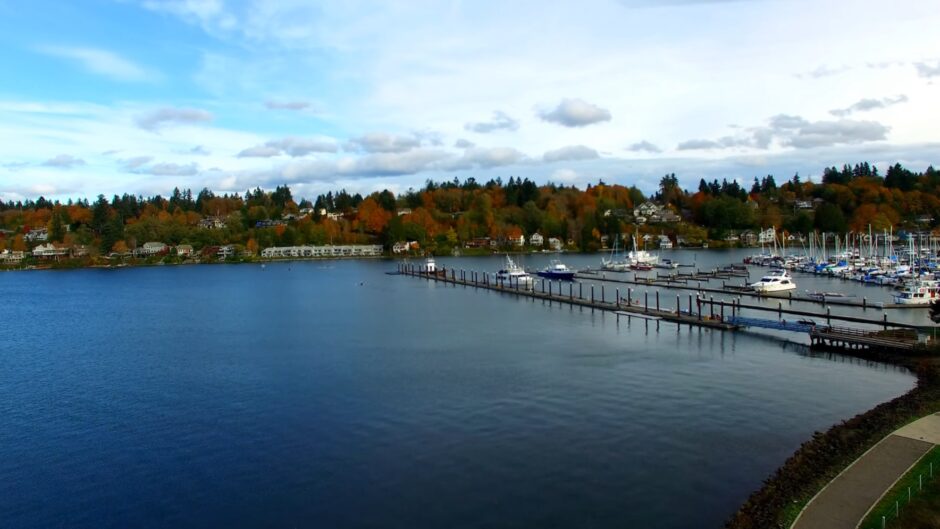
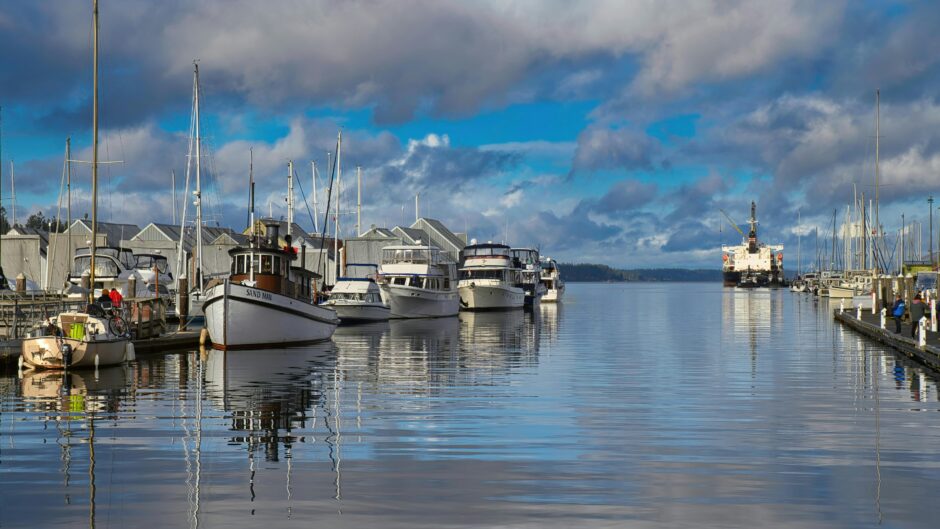
Olympia Washington - White Boats on Docking Area

Washington State is known for its lush landscapes, bustling cities, and vibrant history. But have you ever wondered why Olympia, a relatively small city compared to Seattle or Tacoma, became the capital? The story behind this decision is rooted in history, geography, and practicality. Let’s dive into the fascinating reasons why Olympia was chosen as the capital of Washington.

A Strategic Location: Geography Made It Ideal

In 1853, when Washington was established as a territory, transportation was vastly different from what it is today. Railroads were scarce, cars didn’t exist, and traveling long distances by land was often dangerous. Settlers relied heavily on waterways for transportation and trade. Olympia’s location at the southern tip of Puget Sound made it an ideal port of entry for newcomers arriving by ship.

Being centrally located in the territory also played a significant role in its selection. At the time, capitals were often chosen based on accessibility to the majority of residents. Olympia’s position allowed it to serve as a hub for settlers traveling north from Portland and other areas along the Columbia River. This strategic location ensured that government officials and citizens could reach the capital more easily than other settlements.

A Thriving Settlement: Olympia Had Early Infrastructure

When Governor Isaac Stevens arrived in Washington Territory in 1853, he had a tough decision to make regarding where to establish the capital. At that time, Olympia was one of the largest settlements in the region, boasting around 100 residents—a significant number compared to other towns like Seattle or Tacoma.

Olympia already had essential infrastructure that made it stand out:

  • A federal customs house for managing trade.
  • A newspaper to disseminate information.
  • Several stores, a hotel, and a stable.

These features demonstrated that Olympia was more developed than other potential locations. The town’s early establishment as a port of entry for Puget Sound further solidified its importance. With settlers relying on ships for travel and goods, having a customs house and port facilities made Olympia a logical choice for governance.

Historical Significance: The Decision Was Permanent

Governor Isaac Stevens officially proclaimed Olympia as Washington Territory’s capital on November 28, 18534. This decision wasn’t made lightly; Stevens consulted census data and leading citizens before finalizing his choice. He recognized that Olympia’s infrastructure and location made it the best option for serving the territory’s needs.

Even after Washington achieved statehood in 1889, Olympia remained the capital despite its smaller size compared to cities like Seattle. By then, much of the state’s administrative infrastructure had been established in Olympia, making it impractical to move the capital elsewhere.

Why Not Seattle or Tacoma?

You might wonder why larger cities like Seattle or Tacoma weren’t chosen instead. In 1853, Seattle was just a tiny settlement with fewer residents than Olympia. Tacoma wasn’t even on the radar as a contender at that time.

Olympia’s early advantages—its port facilities, customs house, and central location—gave it an edge over these cities. By the time Seattle grew into a major metropolis, Olympia had already cemented its role as the administrative heart of Washington State.

Olympia Today: A Capital with Character

Today, Olympia remains an integral part of Washington State’s identity. While it may not be as populous or famous as Seattle, its historical significance is undeniable. The city continues to serve as the seat of government and boasts landmarks like the Washington State Capitol building with its impressive dome—the fourth-largest free-standing masonry dome in the world.

Olympia’s charm lies in its blend of history and modernity. From its roots as a Native American gathering place to its role as a bustling port town and finally as the state capital, Olympia has always been a city of importance.

A City Chosen for a Reason

Olympia was chosen as Washington’s capital because of its strategic location, early infrastructure development, and historical significance. Its position at Puget Sound’s southern tip made it accessible for settlers arriving by ship, while its thriving settlement provided essential services for governance. Governor Isaac Stevens’ decision in 1853 ensured that Olympia would remain central to Washington’s history.

So next time you visit this charming city or hear about it in conversation, you’ll know exactly why it holds such an important place in Washington State’s story!

How did Olympia, Washington get its name, and what is the significance behind it

How Did Olympia, Washington Get Its Name, and What Is the Significance Behind It?

Olympia, Washington, is a city rich in history and natural beauty. Nestled at the southern tip of Puget Sound, it serves as the state capital and boasts a name that reflects both its surroundings and the vision of its early settlers. But how did Olympia get its name, and why is it significant? Let’s dive into the story behind this iconic name.

The Origins of Olympia’s Name

The name “Olympia” was officially adopted in 1850, thanks to Colonel Isaac N. Ebey, a local resident who suggested it. Ebey drew inspiration from the nearby Olympic Mountains, which are visible to the northwest of the city. These majestic peaks reminded settlers of grandeur and natural beauty, making “Olympia” a fitting choice for a place surrounded by stunning landscapes.

Before settling on Olympia, the area went through several names. Early settlers Edmund Sylvester and Levi Lathrop Smith initially called it “Smithfield,” among other names like “Smither” or “Marshville.” However, none of these names resonated as strongly as Olympia, which captured the imagination of those living there.

The Olympic Mountains themselves were named after Mount Olympus in Greece, the legendary home of the Greek gods. This connection added an air of distinction and timelessness to Olympia’s name.

The Native American Connection

Long before European settlers arrived, the area now known as Olympia was home to the Steh-Chass people, part of the Coast Salish tribes. They referred to the region as “Cheetwoot,” meaning “Place of the Bear” in their Lushootseed language. This name likely referenced either the bear-shaped peninsula where downtown Olympia now sits or the presence of bears in the area.

The indigenous people lived in harmony with the land for thousands of years, utilizing its abundant resources like shellfish and salmon. Their history is deeply intertwined with Olympia’s identity, even though European settlement eventually displaced them.

Why Is Olympia’s Name Significant?

The significance of Olympia’s name lies in its ability to capture both natural beauty and cultural aspirations:

  1. A Tribute to Nature: The name reflects the city’s proximity to the Olympic Mountains, a defining feature of Washington’s landscape. These mountains symbolize strength and grandeur, qualities that early settlers admired.
  2. Cultural Connections: By naming their new settlement after such an iconic landmark, settlers created a sense of place that tied their community to something larger than themselves. The name also carried echoes of Greek mythology, lending an element of timelessness and prestige.
  3. Historical Legacy: Choosing “Olympia” marked a turning point in establishing a permanent identity for the growing town. It set the stage for Olympia’s role as Washington’s territorial capital in 1853 and later as its state capital when Washington achieved statehood in 1889.

A City Shaped by Its Name

Olympia’s name has shaped its identity over time. As Washington’s capital city, it has become synonymous with governance and regional leadership. Yet it also remains a hub for art, culture, and environmental stewardship—a reflection of its scenic surroundings.

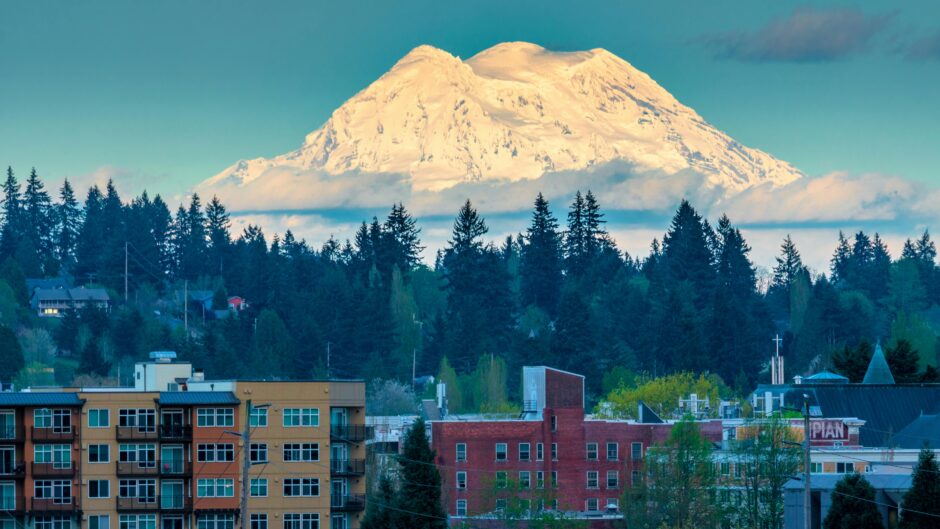
The city’s connection to nature is evident in its many parks and green spaces. From Capitol Lake to views of Mount Rainier and Puget Sound, Olympia continues to honor its namesake by preserving its natural beauty.

Moreover, Olympia’s rich history—from its Native American roots to its role as a trading post—adds layers of meaning to its name. It serves as a reminder that this land has been cherished by many different peoples over thousands of years.

A Name That Echoes Through Time

Olympia’s name is more than just a label; it’s a celebration of natural beauty, cultural heritage, and historical significance. Inspired by the nearby Olympic Mountains and chosen by early settlers like Colonel Isaac N. Ebey, it reflects both the grandeur of its surroundings and the aspirations of those who built it.

As you walk through Olympia today—whether enjoying views of Puget Sound or exploring its historic downtown—you can feel how deeply connected this city is to its name. It’s a place where history meets nature, creating a legacy that continues to inspire residents and visitors alike.

Your Guide to Reaching Olympia, WA: Air, Road, and Public Transportation Options

Nestled at the southern tip of Puget Sound, Olympia, Washington, beckons travelers with its scenic beauty, vibrant culture, and rich history. Whether you’re planning a visit to the state capital for business, leisure, or to explore the stunning natural landscapes of the Pacific Northwest, knowing how to get there is the first step to an unforgettable experience. In this comprehensive guide, we’ll navigate the avenues, highways, and transportation options that lead to Olympia, ensuring a smooth journey to this captivating city.

By Air:

Your journey to Olympia often begins in the air, and Seattle-Tacoma International Airport (Sea-Tac) is your gateway. Located approximately 60 miles north of Olympia, Sea-Tac is the largest and most accessible airport in the region. From Sea-Tac, you have several options for getting to Olympia:

  1. Rental Cars: Sea-Tac Airport is home to numerous car rental agencies, making it convenient to pick up a vehicle for your trip to Olympia. The drive from Sea-Tac to Olympia is relatively straightforward, following Interstate 5 (I-5) south.
  2. Shuttle Services: Various shuttle companies offer transportation services from Sea-Tac to Olympia. These shuttles are an excellent option if you prefer not to drive or if you’re traveling in a group.
  3. Public Transportation: The Sound Transit Link Light Rail connects the airport to downtown Seattle. From there, you can access intercity buses that travel to Olympia.

By Road:

Olympia is a city well-connected by road, primarily through Interstate 5 (I-5). If you’re planning to drive to Olympia, here’s how to reach the city from some nearby areas:

  • From Seattle: If you’re departing from Seattle, the capital city is just an hour’s drive south on I-5, although travel times can vary depending on traffic conditions.
  • From Portland: Those traveling from Portland, Oregon, will find Olympia a two to two and a half-hour drive north on I-5, with scenic views along the way.
  • From Other Locations: Olympia is accessible from various locations in the Pacific Northwest, thanks to the extensive I-5 corridor.

By Public Transportation:

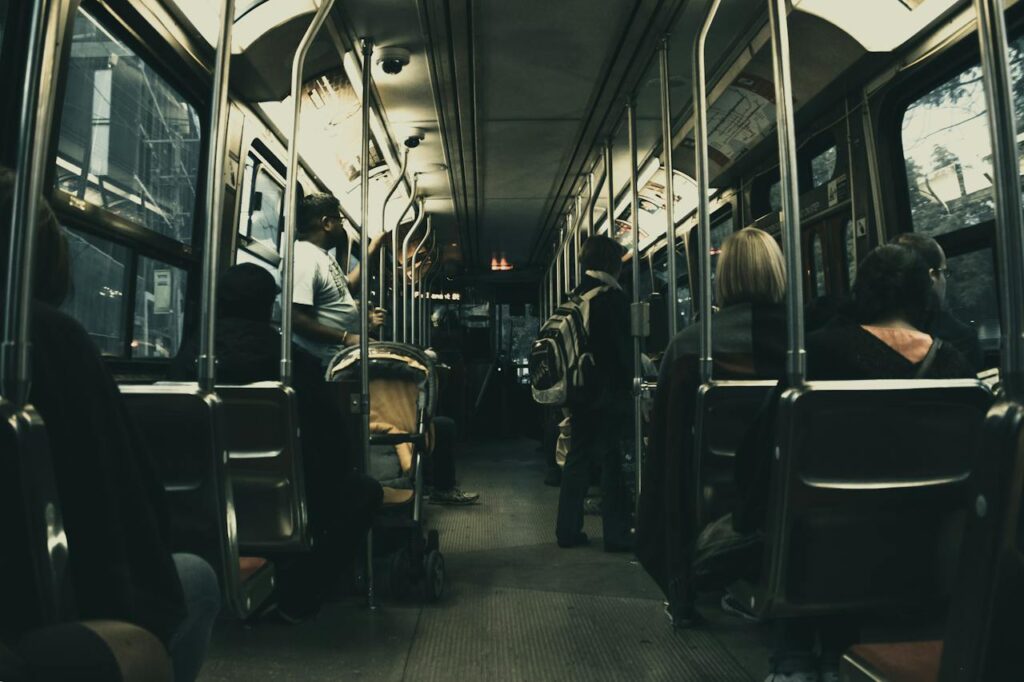
Intercity Transit: Olympia’s public transportation system, known as Intercity Transit, provides bus service within the city and the surrounding areas. It’s an excellent way to explore Olympia once you’ve arrived. The transit system is equipped with accessible buses and schedules to suit various routes.

Amtrak: Olympia boasts its own Amtrak station, Olympia-Lacey. This station is part of the Amtrak Cascades line, which offers passenger rail services that connect the city to destinations like Seattle, Tacoma, and Portland. Traveling by train provides a unique perspective of the region’s lush landscapes.

Greyhound Bus Lines: Greyhound offers long-distance bus services to and from Olympia, with a station located in the heart of downtown Olympia. This option is ideal for those who prefer traveling by bus and offers connections to various cities in the Pacific Northwest.

Local Transportation:

Once you’ve reached Olympia, getting around the city is a breeze. Intercity Transit’s bus system covers a wide range of routes, making it easy to navigate Olympia and reach various points of interest, from downtown to parks and shopping areas.

Before riding public transportation in Olympia, WA, it’s essential to make sure your home garage door, especially your garage is properly secured. The garage door is often a key entry point to your house, and leaving it vulnerable can invite unwanted access while you’re away.

source: youtube.com/@FrancineViola

Now that you’re equipped with the knowledge of how to reach Olympia, you’re ready to embark on your journey to this vibrant capital city. Whether you arrive by air, road, or public transportation, you’re in for a memorable experience in a city brimming with culture, history, and natural beauty. From the State Capitol to the stunning waterfront, Olympia offers a wide array of attractions and activities that await your exploration. So, pack your bags, choose your route, and get ready to discover the charms of Olympia, Washington.

Investing in Olympia: The Pros and Cons of Owning Rental Properties

Investing in real estate, specifically rental properties, has long been a favored choice for individuals seeking to grow their wealth and secure financial stability. Olympia, Washington, with its picturesque setting, vibrant culture, and growing job market, presents an enticing opportunity for real estate investment. This article will explore the pros and cons of owning rental properties in Olympia, providing valuable insights for potential investors.

The Pros of Owning Rental Properties in Olympia

  1. Steady Income Stream: Rental properties offer a reliable and steady income stream. In Olympia, a strong rental market and a consistent demand for housing make it an attractive choice for investors. This income can help cover mortgage payments and provide a reliable cash flow.
  2. Appreciation in Property Value: Historically, real estate in Olympia has seen steady appreciation in property values. Over time, this can result in significant equity gains for property owners, increasing the overall return on investment.
  3. Tax Benefits: Rental property owners can benefit from various tax deductions, including mortgage interest, property taxes, maintenance expenses, and even depreciation. These deductions can significantly lower the overall tax liability, boosting the profitability of the investment.
  4. Diversification: Owning rental properties can be a way to diversify your investment portfolio. Real estate often behaves differently from other asset classes like stocks or bonds, potentially providing a buffer against market volatility.
  5. Control Over Your Investment: As a property owner, you have a level of control over your investment that you might not have with other assets. You can make decisions regarding the property’s management, maintenance, and improvements.
  6. Passive Income: Owning rental properties can be a source of passive income, especially if you hire a property management company to handle day-to-day operations. This allows you to benefit from real estate investment without being a full-time landlord.

The Cons of Owning Rental Properties in Olympia

  1. Initial Investment: The upfront cost of purchasing a rental property can be substantial. This includes the down payment, closing costs, and any necessary renovations or repairs. Access to capital is essential for entry into this market.
  2. Ongoing Expenses: Owning rental properties involves ongoing expenses such as property taxes, insurance, maintenance, and repairs. Maintaining rental properties can involve various ongoing expenses, including garage door maintenance and repairs. It’s crucial to stay on top of these things to ensure the safety and convenience of your tenants. Vacancies can also result in the loss of rental income and increased expenses for property owners.
  3. Property Management Challenges: Managing rental properties can be time-consuming and demanding. You need to deal with tenant issues, maintenance requests, and potential legal matters. Hiring a property management company can alleviate some of these challenges but comes at an additional cost.
  4. Market Volatility: While Olympia has experienced steady property value appreciation historically, the real estate market can still be subject to fluctuations. Economic downturns or local market conditions may affect your investment’s performance.
  5. Legal and Regulatory Hurdles: Landlord-tenant laws and regulations in Washington can be complex. Staying compliant with these laws is crucial, and violations can lead to legal disputes and financial penalties.
  6. Property Depreciation: Over time, properties can age and require significant maintenance or renovation costs. While this can enhance the property’s value, it also represents a potential financial burden for property owners.
source: youtube.com/@ChandlerDavidSmith

Owning rental properties in Olympia, Washington, presents both attractive opportunities and significant challenges. For investors who have the financial means, time, and interest, it can be a rewarding way to build wealth and generate a steady income stream. However, it’s crucial to conduct thorough research, seek professional advice, and carefully consider the pros and cons before diving into this form of real estate investment. By doing so, you can make an informed decision that aligns with your financial goals and risk tolerance. Remember that real estate investments, like all investments, carry inherent risks, and success requires a combination of diligent management and a long-term perspective.

Affordable Housing Solutions in Olympia, WA: Where to Look and How to Apply

Olympia, Washington, nestled in the breathtaking Pacific Northwest, is a city known for its natural beauty, vibrant culture, and strong sense of community. However, like many growing cities, the demand for affordable housing can be a challenge. In this article, we will explore the affordable housing landscape in Olympia, where to look for affordable housing options, and how to apply for them.

Understanding the Affordable Housing Challenge

Before delving into where to find affordable housing in Olympia, it’s crucial to understand the scope of the challenge. Housing affordability is a concern that plagues many residents, including working families, students, seniors, and individuals with lower incomes.

Olympia’s booming job market, picturesque landscapes, and quality of life have attracted a steady influx of newcomers. While this economic growth is undoubtedly positive, it has also driven up housing costs. As a result, affordable housing has become a pressing issue for both long-time residents and newcomers to the area.

Resources for Finding Affordable Housing

  1. Olympia Housing Authority (OHA): The OHA plays a central role in providing affordable housing options in the city. They manage several programs, including public housing and Section 8 vouchers, designed to assist low-income individuals and families in finding affordable places to live.
  2. Online Databases and Websites: Utilize online platforms such as Craigslist, Zillow, and Trulia to search for affordable rentals. While these platforms may feature a range of rental prices, filtering options can help you identify more affordable listings.
  3. Local Nonprofit Organizations: Olympia is home to several nonprofit organizations dedicated to affordable housing. Organizations like Homes First and the Low Income Housing Institute (LIHI) work tirelessly to provide housing solutions for those in need.
  4. Community Outreach: Attend local community events and meetings where you can network and learn about potential housing opportunities. Sometimes, word-of-mouth referrals can lead to affordable housing options.
  5. Government Assistance Programs: In addition to OHA, there are various federal and state programs aimed at providing housing assistance. These include programs like Low-Income Home Energy Assistance Program (LIHEAP), Temporary Assistance for Needy Families (TANF), and more.

Applying for Affordable Housing

Once you’ve identified potential affordable housing options, the application process is the next crucial step. Here are some general steps to follow:

  1. Check Eligibility: Ensure that you meet the income and other eligibility criteria set by the housing provider or program.
  2. Gather Necessary Documents: Typically, you’ll need to provide documents such as pay stubs, tax returns, and identification. Each housing provider may have specific requirements, so it’s essential to clarify what documents are needed.
  3. Complete Application Forms: Fill out the application forms accurately and thoroughly. Incomplete or inaccurate applications can lead to delays or rejections.
  4. Submit Your Application: Follow the application submission instructions provided by the housing provider. Some may allow online submissions, while others require in-person visits.
  5. Wait for a Response: Once your application is submitted, it will be reviewed. Be patient during this process, as it may take some time.
  6. Interview and Verification: Some housing providers may require an interview or additional verification steps. Be prepared to provide further documentation or attend interviews if requested.
  7. Acceptance and Lease Signing: If your application is approved, you will receive an acceptance letter. Review the terms of the lease carefully before signing.
  8. Move-In: Once you’ve signed the lease and paid any required deposits or fees, you can move into your new affordable housing unit.
source: youtube.com/@livinginolympiawa

While the search for affordable housing in Olympia, WA, may pose challenges, it is not insurmountable. By utilizing local resources, exploring nonprofit organizations, and navigating government assistance programs, individuals and families can find suitable and affordable housing options. Remember that patience and persistence are essential during this process, and don’t hesitate to seek guidance from housing advocacy groups if needed. Olympia’s sense of community extends to helping those in need, and with determination, you can find a place to call home in this beautiful city.

Making the Move: Relocating to Olympia, WA and Finding the Perfect Home

Relocating to a new city is often a mix of excitement and uncertainty. It’s a significant life change that can bring about a fresh start, new opportunities, and the chance to explore a different way of life. One such place that offers all these possibilities is Olympia, Washington. This charming capital city, nestled at the southern tip of the Puget Sound, has been a magnet for those seeking a balanced lifestyle with a touch of urban sophistication and a whole lot of natural beauty. In this article, we’ll explore the journey of making the move to Olympia, WA, and finding the perfect place to call home.

Why Olympia, WA?

Before delving into the logistics of relocating, it’s important to understand what makes Olympia an attractive destination for many. Here are some compelling reasons:

  1. Natural Beauty: Olympia is surrounded by stunning natural landscapes. From the serene waters of Puget Sound to the lush forests of the Pacific Northwest, the city offers unparalleled access to outdoor adventures.
  2. Culture and Arts: Despite its smaller size, Olympia boasts a thriving arts and culture scene. The city is home to galleries, theaters, and a vibrant music scene, ensuring there’s always something culturally enriching to do.
  3. Strong Sense of Community: Olympia prides itself on its tight-knit and welcoming community. Whether you’re into local activism, neighborhood gatherings, or just friendly faces, you’ll find a sense of belonging here.
  4. Educational Opportunities: If you have a family, you’ll be pleased to know that Olympia offers excellent educational options. The city is home to The Evergreen State College and has quality public and private schools.
  5. Proximity to Seattle: While Olympia has its own charm, it’s also conveniently close to Seattle. The state capital is only about an hour’s drive from the bustling city, making it easy to enjoy big-city amenities when you want them.

Preparing for the Move

Relocating to a new city, especially one as unique as Olympia, requires careful planning and organization. Here are some steps to help you prepare:

  1. Research Olympia: Start by getting to know Olympia. Research the neighborhoods, schools, and amenities. Consider what’s most important to you and your family in terms of location and lifestyle.
  2. Visit Olympia: If possible, visit Olympia before the move. Spend time exploring the city, meeting locals, and getting a feel for the community. This will help you make an informed decision about where to live.
  3. Budget Wisely: Relocating can be expensive. Create a detailed budget that includes moving costs, housing expenses, and a financial cushion for unexpected expenses.
  4. Find a Real Estate Agent: A local real estate agent can be an invaluable resource. They know the area, can help you find suitable properties, and guide you through the home-buying process.
  5. Secure Employment: If you’re relocating for work, ensure that your job is lined up before moving. If not, start job hunting early and use local job boards and networking events.

Finding Your Perfect Home

Now, let’s dive into the process of finding your dream home in Olympia:

  1. Determine Your Housing Needs: Consider the size of your family, your lifestyle, and your preferences. Do you want a suburban home, a downtown apartment, or a house with acreage? Olympia offers a variety of housing options.
  2. Work with a Real Estate Agent: A local real estate agent is an invaluable ally. They’ll help you navigate the local market, provide insights into neighborhoods, and negotiate on your behalf.
  3. Research Neighborhoods: Olympia has a range of neighborhoods, each with its unique character. Do you prefer the historic charm of the South Capitol neighborhood or the family-friendly suburbs of East Olympia? Research the pros and cons of each.
  4. Visit Properties: Don’t rely solely on online listings. Once you’ve shortlisted potential homes, visit them in person. Walk through the neighborhoods, talk to residents, and get a sense of the community.
  5. Consider Future Growth: Think about your long-term plans. Is this a starter home, or are you looking for a place to settle down for many years? Consider factors like schools, commute, and future development in the area.
  6. Get a Home Inspection: Before finalizing your purchase, have a thorough home inspection done. This will ensure there are no hidden issues with the property.
  7. Negotiate Wisely: Your real estate agent will help you negotiate the best deal. Remember, buying a home is a significant investment, so don’t rush the negotiation process.
  8. Embrace the Community: Once you’ve found your new home, embrace the Olympia community. Attend local events, join community groups, and get to know your neighbors. Building a network in your new city will make the transition smoother.
source: youtube.com/@livinginolympiawa

Relocating to Olympia, WA, and finding the perfect home is a journey filled with excitement and possibilities. With careful planning, research, and the right support, you can make this transition a successful one. Olympia’s natural beauty, thriving culture, and a strong sense of community are waiting to welcome you with open arms. So, take the leap, and start your new adventure in the charming capital city of Washington State.

Preserving Olympia’s Historic Homes: A Glimpse into the City’s Architectural Heritage

Nestled in the heart of Washington State, the city of Olympia boasts a rich history that is beautifully reflected in its historic homes. These architectural treasures tell the story of Olympia’s evolution from a small pioneer settlement to the vibrant capital city it is today. Preserving these historic homes is not just a matter of conserving bricks and mortar; it’s a way of safeguarding the city’s identity and honoring the vision of its early inhabitants. Maintaining key exterior elements such as entryways, windows, and even functional features like reliable garage doors is essential in protecting both the aesthetic and structural integrity of these properties.

Preserving these historic homes is not just a matter of conserving bricks and mortar; it’s a way of safeguarding the city’s identity and honoring the vision of its early inhabitants.

The Victorian Splendor of the Sylvester Mansion

One of Olympia’s most iconic historic homes is the Sylvester Mansion, a Victorian gem that dates back to 1857. Located on the corner of Washington Street and Capitol Way, this stately mansion is a prime example of Italianate architecture. Its ornate features, including decorative brackets, arched windows, and a cupola, showcase the opulence of the Victorian era.

Preserving the Sylvester Mansion has been a labor of love for the city. Over the years, extensive restoration efforts have been undertaken to maintain its architectural integrity. The mansion now serves as a museum, allowing visitors to step back in time and experience the grandeur of Olympia’s past.

Preserving Olympia's Historic Homes: A Glimpse into the City's Architectural Heritage
source: youtube.com/@armyvetmom

The Bigelow House: Olympia’s Oldest Wooden Residence

Built in 1850, the Bigelow House stands as Olympia’s oldest surviving wooden residence. This Greek Revival-style farmhouse provides a glimpse into the city’s pioneer era. The Bigelow family, early settlers in the area, left an indelible mark on Olympia’s history. Today, the house operates as a museum, offering guided tours and educational programs that shed light on the challenges and triumphs of the city’s early inhabitants.

Wooden Wonders Along the Streets

trolling through Olympia’s historic neighborhoods, you’ll encounter a treasure trove of wooden homes, each with its own unique character. Many of these homes date back to the late 19th and early 20th centuries, featuring architectural styles ranging from Colonial Revival to Craftsman.

Preservationists and homeowners have worked diligently to maintain the historic charm of these properties. They’ve painstakingly restored gingerbread trim, refurbished original hardwood floors, and kept the iconic covered porches that have been a hallmark of American architecture. In keeping with this aesthetic, many have also chosen to install classic garage doors that complement the period style, adding to the overall authenticity and curb appeal of these timeless homes.

The Challenge of Preservation

Preserving historic homes comes with its share of challenges. Olympia, like many cities, faces the ongoing task of balancing the need for modernization and growth with the imperative to protect its architectural heritage. Zoning regulations, property taxes, and maintenance costs can present hurdles for homeowners looking to preserve their historic houses.

However, there are incentives in place to encourage preservation. Local historic preservation organizations offer grants and resources to homeowners committed to maintaining the historic character of their properties. In addition, state and federal tax credits are available to those undertaking significant restoration efforts.

The Ripple Effect of Preservation

The preservation of historic homes in Olympia extends beyond the homes themselves. It has a ripple effect that enriches the entire community. These preserved homes often become cultural hubs, hosting events, tours, and educational programs that bring residents together to celebrate their shared history.

Moreover, historic districts and homes contribute to Olympia’s unique character, attracting tourists, boosting property values, and fostering a sense of pride among residents. The city’s commitment to preserving its architectural heritage is not just about the past; it’s an investment in the future.

A Glimpse into the Future

As Olympia continues to grow and evolve, the preservation of its historic homes remains a crucial aspect of the city’s identity. These homes serve as tangible links to the past, reminding us of the challenges and triumphs of those who came before us.

source: youtube.com/@bigelowhousemuseum

Preserving Olympia’s historic homes is not just about saving old buildings; it’s about honoring the spirit of innovation, determination, and community that has shaped the city over the years. It’s a testament to the idea that, in preserving our architectural heritage, we are also preserving our collective memory and passing it on to future generations.

Home Buying Tips for First-Time Buyers in Olympia, WA

Purchasing your first home is an exciting milestone, and if you’re considering Olympia, Washington as your destination, you’re in for a treat. Nestled in the scenic Pacific Northwest, Olympia offers a mix of natural beauty, cultural attractions, and a strong sense of community. As a first-time homebuyer in this charming city, here are some invaluable tips to guide you through the process and help you make the best decisions for your new adventure.

1. Start with Financial Preparedness

Before embarking on your homebuying journey, it’s essential to evaluate your financial readiness. Assess your credit score, calculate your debt-to-income ratio, and determine a comfortable budget for your new home. Consider additional costs like property taxes, homeowners insurance, and potential maintenance expenses.

2. Seek Professional Guidance

Navigating the real estate market can be complex, especially for first-time buyers. Hiring a qualified real estate agent who is familiar with Olympia’s neighborhoods and market trends can make a significant difference. They can provide invaluable insights, guide you through the process, and help negotiate on your behalf.

3. Define Your Priorities

Olympia offers a variety of neighborhoods, each with its own unique character. Take time to define your priorities – do you value proximity to downtown, access to parks, or a quiet suburban setting? List your must-haves and nice-to-haves to help your agent find homes that match your preferences.

4. Research Neighborhoods

Research is key when considering where to buy your first home. Olympia boasts a range of neighborhoods, from historic districts to modern developments. Explore local schools, nearby amenities, and the overall vibe of each area to find the one that aligns with your lifestyle.

5. Attend Open Houses and Tours

Attending open houses and neighborhood tours is an excellent way to gain insight into the housing market in Olympia. It allows you to see different types of properties, get a sense of the local architecture, and gather ideas for what you want in your first home.

6. Get Pre-Approved for a Mortgage

Getting pre-approved for a mortgage gives you a clear idea of how much home you can afford. It also shows sellers that you’re a serious buyer, potentially giving you an edge in a competitive market.

7. Be Mindful of Market Trends

Stay informed about Olympia’s real estate market trends. Understanding whether the market is favoring buyers or sellers can influence your negotiating strategy and timing.

8. Consider Future Growth

Olympia is a city that’s growing steadily. Consider properties in areas where future development is planned, as this can positively impact property values over time.

9. Inspection and Due Diligence

Don’t skip the home inspection. A thorough inspection can uncover potential issues that might not be apparent during your initial visits. Use the findings to make informed decisions and negotiate repairs with the seller if needed.

10. Embrace Patience

The homebuying process can be both exciting and nerve-wracking. Be patient and avoid rushing into a decision. Finding the perfect home might take time, but the wait will be worth it when you find a place that truly feels like home.

11. Trust Your Instincts

Lastly, trust your instincts. After researching, visiting homes, and weighing your options, you’ll develop a sense of what feels right. Your first home should be a place where you envision creating lasting memories.

source: youtube.com/@WinTheHouseYouLove

Buying your first home in Olympia, WA is a remarkable step towards building your future. With careful planning, professional guidance, and a keen eye for detail, you’ll navigate the process confidently, finding a place that reflects your aspirations and provides a haven in this captivating Pacific Northwest city.

Green Living in Olympia, WA: Eco-Friendly Homes and Sustainable Communities

Nestled in the heart of the Pacific Northwest, Olympia, Washington, is not just a picturesque state capital; it’s also a city that embraces the principles of green living and sustainability. With its stunning natural surroundings, progressive initiatives, and environmentally conscious community, Olympia has become a beacon for those seeking eco-friendly homes and sustainable communities. In this article, we delve into the world of green living in Olympia and explore how the city is paving the way for a more sustainable future.

A Natural Partnership: Olympia and Sustainability

Olympia’s commitment to sustainability is deeply rooted in its connection to the natural world. Surrounded by lush forests, abundant waterways, and breathtaking landscapes, the city recognizes the importance of preserving these resources for future generations. This recognition has led to a city-wide effort to incorporate eco-friendly practices into everyday life.

Sustainable Housing Initiatives

Olympia boasts a range of sustainable housing options that cater to environmentally conscious individuals and families. From energy-efficient apartments to eco-friendly single-family homes, the city’s housing market offers a variety of choices for those looking to minimize their carbon footprint.

1. Passive House Construction: Olympia is home to a growing number of Passive House-certified homes. These houses are designed to maximize energy efficiency, relying on thick insulation, airtight construction, and advanced ventilation systems to maintain comfortable indoor temperatures without excessive energy consumption. Features such as an insulated garage and a properly sealed garage door can also contribute to overall efficiency by helping reduce drafts and energy loss. With professional garage door service, including maintenance, repairs, and the installation of energy-efficient garage doors, homeowners can further support the performance and comfort of their homes.

2. Net-Zero Homes: Olympia’s embrace of renewable energy has led to an increase in net-zero homes. These homes produce as much energy as they consume, often utilizing solar panels, geothermal systems, and other renewable technologies to achieve this balance.

3. Sustainable Renovations: Beyond new constructions, the city’s residents are also committed to retrofitting existing homes for sustainability. From installing energy-efficient windows to upgrading insulation and incorporating rainwater harvesting systems, homeowners are taking proactive steps to reduce their environmental impact.

Sustainable Communities

Green living extends beyond individual homes and encompasses entire communities within Olympia. Neighborhoods are embracing sustainable practices and fostering a sense of eco-conscious camaraderie.

1. Urban Agriculture: Community gardens are flourishing throughout Olympia, where residents come together to grow their own produce. These gardens not only promote self-sufficiency but also foster a strong sense of community and connection to the land.

2. Walkable and Bike-Friendly: Many neighborhoods are designed with walkability and bike-friendliness in mind. Accessible sidewalks, bike lanes, and well-connected pathways encourage residents to rely less on cars and more on eco-friendly modes of transportation.

3. Green Infrastructure: Olympia’s commitment to sustainability extends to its infrastructure. Green roofs, permeable pavements, and bioswales are integrated into urban planning, helping manage stormwater runoff and mitigate environmental impacts.

4. Sustainable Events: Olympia’s vibrant community calendar includes a multitude of eco-friendly events and workshops. From composting workshops to sustainable home tours, these events educate and inspire residents to embrace greener living.

A Shared Vision for the Future

What truly sets Olympia apart as a model for sustainable living is its community’s shared vision for the future. Residents, businesses, and local government are working in harmony to create an environment where sustainability is not just a buzzword, but a way of life. From city-wide initiatives to individual efforts, Olympia’s commitment to green living is transforming it into a sustainable haven for present and future generations.

source: youtube.com/@howcast

Olympia, WA, is more than just a city; it’s a thriving community that values and champions sustainable living. With its eco-friendly homes, green neighborhoods, and proactive initiatives, Olympia serves as a testament to the positive changes that can be achieved when a community comes together for a greener, more sustainable future. Whether you’re looking to purchase an energy-efficient home or immerse yourself in a community dedicated to environmental responsibility, Olympia is a shining example of what’s possible when a city embraces the principles of green living.